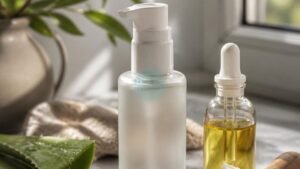


Dry, frizzy hair can be frustrating, especially when it looks rough no matter how carefully you style it. The right oils for dry hair can help make the lengths feel softer, look smoother, and appear more polished. However, not every oil works the same way, and using too much can leave your hair heavy or greasy instead of silky.
The best approach is to choose an oil based on your hair’s texture, condition, and styling routine. Coconut oil, argan oil, jojoba oil, and a few other lightweight options can each play a different role. The key is knowing which one fits your hair and how to use it without overdoing it.
Why Oils Can Help Dry and Frizzy Hair
Hair oils are often used to improve the feel and appearance of dry strands. They can help reduce friction, smooth the hair surface, and add a layer of conditioning that makes the lengths feel softer.
Some oils may also do more than simply coat the outside of the strand. Research on coconut oil, for example, found that it was the only one among coconut, sunflower, and mineral oils tested in that study to significantly reduce protein loss from both damaged and undamaged hair when used before or after washing. Researchers linked this to coconut oil’s ability to penetrate the hair shaft.
That doesn’t mean every oil will repair damaged hair. Instead, think of hair oil as one part of a broader routine that includes cleansing, conditioning, gentle detangling, and heat protection.
Oils for Dry Hair: Which Options Are Worth Trying?
Different oils behave differently on the hair. Some are richer, while others are better suited to fine strands that get weighed down easily.
Coconut Oil
Coconut oil is one of the more studied oils for hair. In laboratory and hair-fiber research, it has shown an ability to reduce protein loss and improve the mechanical behavior of hair fibers under certain testing conditions.
That makes it particularly interesting for hair that feels dry, rough, or stressed from frequent styling.
For a simple pre-wash treatment, apply a small amount to the lengths and ends, let it sit for a while, and then shampoo as usual. You don’t need to completely saturate your hair.
Coconut oil can feel heavy on fine hair, though. If your strands are thin or your scalp becomes oily quickly, use a smaller amount and keep it away from the roots.
Argan Oil
Argan oil is popular for a reason: it tends to feel lighter than many heavy plant oils and can give dry lengths a smoother, shinier appearance.
A small experimental study found that argan oil used as a pretreatment reduced protein loss in hair exposed to oxidative damage. The study was conducted on excised hair, so it should not be interpreted as proof that argan oil can reverse real-world hair damage. Still, the findings provide some support for its protective potential.
For everyday styling, a drop or two worked through the mid-lengths and ends can be enough. This is often a better approach than coating the entire head.
Jojoba Oil
Jojoba oil is commonly used in hair products because of its lightweight feel and ability to add slip and shine.
It can be particularly useful when your biggest concern is dry-looking ends, flyaways, or a rough finish after styling. Because it is easy to overapply, start with a tiny amount and add more only when needed.
Jojoba oil may be a good fit for someone who wants a finishing oil rather than a heavy overnight treatment.
Avocado Oil
Avocado oil is richer and can work well for thicker, coarse, or very dry hair.
It may be more comfortable on strands that need extra softness, particularly during colder or drier weather. However, fine hair can easily become weighed down, so use it sparingly.
The goal isn’t to make the hair feel oily. It should simply feel smoother and more manageable.
Read Also: Protect Hair From Heat: Easy Ways to Prevent Damage
How to Choose the Right Hair Oil for Your Hair Type
The best oil isn’t necessarily the one with the most impressive ingredient list. It is the one you can use without leaving your hair flat, greasy, or difficult to wash.
For Fine Hair
Choose lightweight oils and use very little. Argan or jojoba oil can be easier to manage than heavier oils.
Apply a tiny amount to the ends first. If your hair still feels dry, add a little more rather than starting with a large amount.
For Thick or Coarse Hair
Thicker hair generally has more room for richer products. Coconut or avocado oil may feel more nourishing on coarse, dry lengths.
You can also combine a richer oil treatment before washing with a lighter oil or serum afterward.
For Curly or Wavy Hair
Frizz is often more noticeable when the hair lacks moisture or is exposed to friction. A small amount of oil can help smooth the outer layer and improve definition.
However, oil alone is not a substitute for conditioning. The American Academy of Dermatology recommends choosing hair-care products suited to your hair type and using conditioner regularly.
For curls, start with a well-conditioned base and then use a small amount of oil to finish.
For Color-Treated Hair
Color-treated hair may need extra attention because repeated chemical processing can leave the strands feeling dry or fragile. A gentle routine with conditioning, leave-in products, and occasional oil use can help improve manageability.
Just remember that no cosmetic oil can completely reverse structural damage that has already occurred.
How to Use Hair Oil Without Making Your Hair Greasy
More oil does not mean more moisture.
In fact, applying too much can make hair look flat, attract buildup, and force you to shampoo more aggressively. A better approach is to start with a small amount.
For a hair oiling routine, try these two simple methods.
Pre-wash oiling: Apply a modest amount to dry hair, concentrating on the lengths and ends. Leave it on for a suitable period, then shampoo and condition normally.
Post-wash finishing: Once your hair is dry or nearly dry, rub one or two drops between your palms and lightly smooth them over the ends and frizz-prone areas.
If your hair still looks greasy after washing, you probably used too much.
Should You Put Hair Oil on Your Scalp?
Not necessarily.
If your main problem is dry, frizzy lengths, there is little reason to coat an already healthy scalp in oil. Hair oils can also cause buildup for some people.
The American Academy of Dermatology advises applying leave-in products to the hair rather than the scalp when the goal is conditioning the strands, partly because scalp application can contribute to buildup and irritation.
That doesn’t mean scalp oiling is automatically bad. It simply means the scalp and the hair shaft have different needs.
Unless you’re using a product specifically designed for scalp care, keep most of your oil on the mid-lengths and ends.
Hair Oil Is Not a Replacement for Conditioner
One of the biggest mistakes is treating oil as a complete hair-care routine.
Conditioner works differently. The AAD explains that conditioner helps moisturize and detangle hair, making it easier to manage. Leave-in conditioners can also help reduce frizz, improve smoothness, and make hair easier to comb.
For very dry or frizzy hair, a better routine may look like this:
- Shampoo mainly at the scalp.
- Condition the lengths and ends.
- Gently remove excess water.
- Apply a leave-in conditioner if needed.
- Use a small amount of hair oil as a finishing step.
- Use heat protection before hot styling.
This approach supports softness instead of relying on oil to do everything.
Can Hair Oil Actually Fix Frizz?
Hair oil can make frizz look better, but that is not the same as permanently fixing the cause.
Frizz can be influenced by dryness, humidity, hair texture, chemical processing, heat styling, breakage, and friction. A smoothing oil may temporarily help the surface look more controlled, but the effect doesn’t mean the underlying damage has disappeared.
That’s why a consistent routine matters more than any single product.
Gentle hair handling also helps. Dermatologists recommend minimizing rough towel rubbing, excessive brushing, and unnecessary heat because styling habits can leave hair brittle, frizzy, and dull.
Common Hair-Oiling Mistakes to Avoid
Using hair oil is simple, but a few habits can work against you.
Using too much: Your hair only needs a small amount to get a smoothing effect.
Applying it to the roots unnecessarily: If your scalp is already oily, adding more oil can make the hair look greasy.
Using oil instead of conditioner: Oil can complement conditioning, but it doesn’t replace a proper conditioner.
Putting oil on before intense heat without checking the product: Don’t assume every pure oil is a heat protectant. Use a product specifically labeled for heat protection before a blow dryer, flat iron, or curling iron.
Expecting oil to repair split ends: Once a strand has split, no oil can permanently fuse it back together. It may make the ends look temporarily smoother, but trimming remains the real solution.
A Simple Routine for Softer, Shinier Hair
You don’t need a dozen products to manage dryness and frizz.
Start with a gentle shampoo suited to your scalp, then follow with a conditioner that matches your hair type. If your lengths still feel dry, add a leave-in conditioner. Afterward, use a tiny amount of oil on the ends once the hair is dry or nearly dry.
For occasional deeper conditioning, try a pre-wash oil treatment once a week rather than applying oil every day.
Most importantly, pay attention to how your hair responds. If it becomes limp, sticky, or difficult to wash, reduce the amount or switch to a lighter oil.
Frequently Asked Questions
Which oil is best for very dry hair?
Coconut oil may be worth considering for very dry or stressed hair because research suggests it can reduce protein loss under certain conditions. Richer oils such as avocado oil may also work well for coarse strands, while fine hair often does better with lighter options.
Is argan oil good for frizzy hair?
Argan oil can be useful for smoothing dry lengths and adding shine. Research has also found protective effects against oxidative damage in an experimental hair study, although that doesn’t mean it can reverse existing damage.
How often should I oil dry hair?
There is no single schedule that works for everyone. Once a week can be a reasonable starting point for a pre-wash treatment, while a lightweight finishing oil can be used more often in very small amounts.
Can hair oil make frizz worse?
It can if you apply too much. Excess oil can weigh down the hair and make it look greasy rather than smooth. Start with a tiny amount and focus on the driest areas.
Should I oil my hair before or after washing?
Both approaches can work. Pre-wash oiling is useful when you want a deeper conditioning step, while a small amount after washing can help smooth the finished style. Choose based on your hair type and how your hair responds.
Conclusion
The best oils for dry hair are the ones that make your strands feel softer and look smoother without leaving them weighed down. Coconut oil is an especially interesting option for dry or stressed hair because it has stronger hair-specific research behind it, while argan, jojoba, and avocado oils can be useful depending on your texture and styling needs.
Still, oil works best as part of a complete routine. Pair it with regular conditioning, gentle handling, and sensible heat styling, and you’ll have a much better chance of keeping dry, frizzy hair looking soft, shiny, and healthy.