

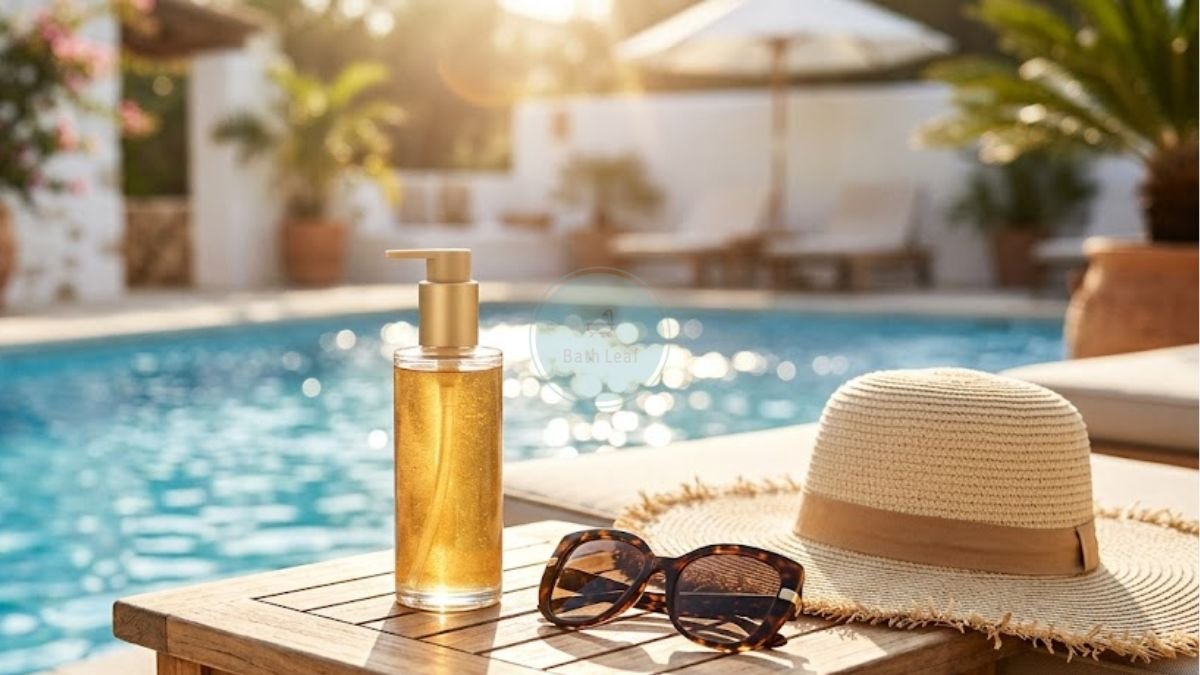
There is an undeniable allure to that classic summer aesthetic: warm sunshine, the sound of crashing waves, and a bronzed, luminous complexion. For generations, reaching for a sleek bottle of dark bronzing oil was considered the gold standard for speeding up color development at the pool or beach. However, taking a step back to understand the science before using tanning oil is one of the most critical decisions you can make for the long-term health and youthfulness of your skin.
While these glistening formulas promise a rich, chocolate-toned radiance in record time, they often come at a steep biological cost. Applying oils directly to bare skin in full sunlight alters how ultraviolet radiation interacts with your tissue, frequently leading to deep cellular stress and painful burns. Before you pack that familiar bottle in your beach tote, here is what you need to know about how these products function, the risks involved, and how to get that enviable glow without compromising your skin barrier.
How Tanning Oil Actually Affects Your Skin
To make informed choices about your summer routine, it helps to understand what happens when you coat your body in oil and step into the sun. The glossy finish looks gorgeous on the surface, but underneath, it creates an intense environment for your living cells.
The Magnifying Effect of Surface Oils
Traditional tanning formulas are composed of heavy mineral oils or plant-based lipids like coconut, hazelnut, and avocado oils. When spread across your limbs, these oils create a smooth, highly reflective surface layer.
Instead of allowing UV rays to disperse naturally or bouncing them away, the clear liquid acts essentially like a magnifying glass. It attracts and concentrates ultraviolet rays, driving them faster and deeper into the epidermis and the underlying dermis. Because this concentration effect happens so rapidly, your skin heats up much faster than it would with a standard lotion or bare skin.
Melanin Activation vs. Cellular Trauma
The entire goal of using an accelerator oil is to trigger rapid pigment production. When concentrated UVA and UVB rays strike your skin cells, they damage the cellular DNA inside the nuclei.
In a biological panic, your body produces melanin-the dark pigment responsible for a tan-and pushes it toward the surface to form a microscopic shield over your cells’ genetic material. The bronze shade you see in the mirror is not a marker of vitality; it is visible proof that your skin has experienced accelerated UV damage and responded with a trauma defense mechanism.
The Hidden Dangers of Traditional Tanning Oils
Using an intensifying oil without proper precautions comes with major short-term and long-term consequences that go far beyond a standard summer sunburn.
Accelerated Breakdown of Collagen and Elastin
The deep-penetrating UVA rays concentrated by tanning oils directly target the structural scaffolding of your skin. Deep in the dermis, these rays generate free radicals that break down collagen and elastin fibers-the proteins responsible for keeping your skin firm, bouncy, and smooth.
Over time, frequent oil-assisted tanning causes severe premature skin aging. This presents as deep leathery wrinkles, widespread sagging, loss of elasticity, and stubborn dark spots (hyperpigmentation) that are notoriously difficult to fade with topical skincare later on.
Increased Risk of Deep, Blistering Sunburns
Because oils intensify the heat and radiation reaching your skin, the transition from a light golden tint to a severe second-degree burn can happen in a matter of minutes. Sunburns sustained while wearing zero-SPF oils are often significantly deeper, leading to painful blistering, swelling, systemic sun poisoning, and extensive peeling. Every blistering sunburn sustained throughout your life measurably increases your lifetime risk of developing serious skin cancers, including melanoma.
Essential Rules to Follow Before Using Tanning Oil
If you still love the glossy, hydrated look that an oil provides while lounging by the water, you must adopt strict safety habits. Making smart adjustments will help minimize damage while keeping your skin comfortable.
Read Also: 7 Worst Tanning Oil Mistakes That Can Ruin Your Skin
Always Layer a High-SPF Sunscreen First
Never apply a traditional zero-protection oil directly onto bare, unprotected skin. If you want the luminous sheen of an oil, you must establish a baseline shield first.
Apply a generous amount of broad-spectrum sunscreen with an SPF of at least 30 (or ideally SPF 50) across your entire body twenty minutes before heading outside. Allow that protective layer to sink completely into your skin, and only then apply a light mist or dab of oil on top. Remember that oils can break down chemical sunscreen filters over time, so you will need to reapply your base SPF diligently every ninety minutes to two hours.
Choose Modern Formulas with Built-In Broad-Spectrum Filters
The beauty industry has evolved, and you no longer have to choose between a classic zero-SPF oil and a chalky white paste. Many modern brands now manufacture dedicated tanning oil with SPF ratings of 30 or 50.
These hybrid products use advanced chemical UV filters suspended in lightweight, dry botanical oils like argan, jojoba, and marula. They deliver the exact same luxurious slip and sun-drenched sheen you want, but with lab-tested broad-spectrum sunscreen protection that shields against both burning UVB rays and aging UVA rays.
Avoid Midday Sun Exposure
The sun’s rays are at their most destructive between 10:00 AM and 4:00 PM, when the UV index routinely reaches dangerous peaks. Using any form of tanning oil during these peak midday hours is a recipe for instant skin distress. If you plan to spend time outdoors, aim for early morning or late afternoon when the sun sits at a lower angle, and always spend a generous portion of your time under the shade of an umbrella or wide-brimmed hat.
Safer Alternatives to Achieve a Radiant Golden Glow
You do not have to subject your body to harmful radiation to achieve a warm, luminous tone. Modern cosmetic alternatives allow you to enjoy a flawless bronze look entirely damage-free.
DHA-Based Sunless Tanning Mousses and Drops
Sunless self-tanners have come a long way from the streaky, orange formulas of the past. Modern products utilize dihydroxyacetone (DHA), a sugar-derived compound that temporarily darkens the dead cells on the surface of your skin without ever penetrating living tissue or touching your DNA. Using a self-tanning mousse once a week gives you an even, natural-looking golden shade that lasts five to seven days with zero risk of photoaging.
Illuminating Body Shimmers and Dry Oils
If your main reason for loving tanning oil is the radiant, glistening finish it gives your legs and collarbones in photos, switch to an illuminating body dry oil. These products contain fine, ethically sourced mineral mica pearls suspended in nourishing oils like squalane and sweet almond oil. They deliver an instant high-fashion sheen that catches the light beautifully, hydrating your skin barrier while keeping your body completely safe from UV exposure.
Frequently Asked Questions
Can you get a tan through sunscreen?
Yes, you can still develop color while wearing sunscreen. No sunscreen blocks 100% of UV rays—an SPF 30 filters roughly 97% of UVB rays, while SPF 50 filters about 98%. The small percentage of rays that pass through can still stimulate melanin production, but at a much slower, safer pace that dramatically reduces the risk of cellular mutation and burning.
Is baby oil the same as tanning oil?
No, and using baby oil for tanning is exceptionally dangerous. Baby oil is pure mineral oil designed to lock in moisture on damp skin after bathing; it has no UV filters, antioxidants, or skin-conditioning botanicals. Using baby oil in direct sunlight essentially magnifies the sun’s rays and bakes the upper layers of your skin, causing rapid, severe tissue damage.
How long does it take for tanning oil to work?
Because tanning oils accelerate the rate at which UV rays penetrate the skin, color change or burning can begin in as little as 15 to 20 minutes depending on your natural skin tone and the current UV index. This rapid onset is precisely why unprotected use leads so quickly to accidental burns.
Conclusion
Achieving a healthy summer aesthetic should never come at the expense of your skin’s structural integrity and long-term health. Taking the time to evaluate the risks before using tanning oil gives you the knowledge needed to protect your complexion from deep-set wrinkles, dark spots, and severe sunburns. If you choose to use an oil outdoors, always prioritize high broad-spectrum SPF coverage, avoid intense midday hours, or better yet, embrace modern sunless tanners to enjoy a gorgeous, golden glow with total peace of mind.