
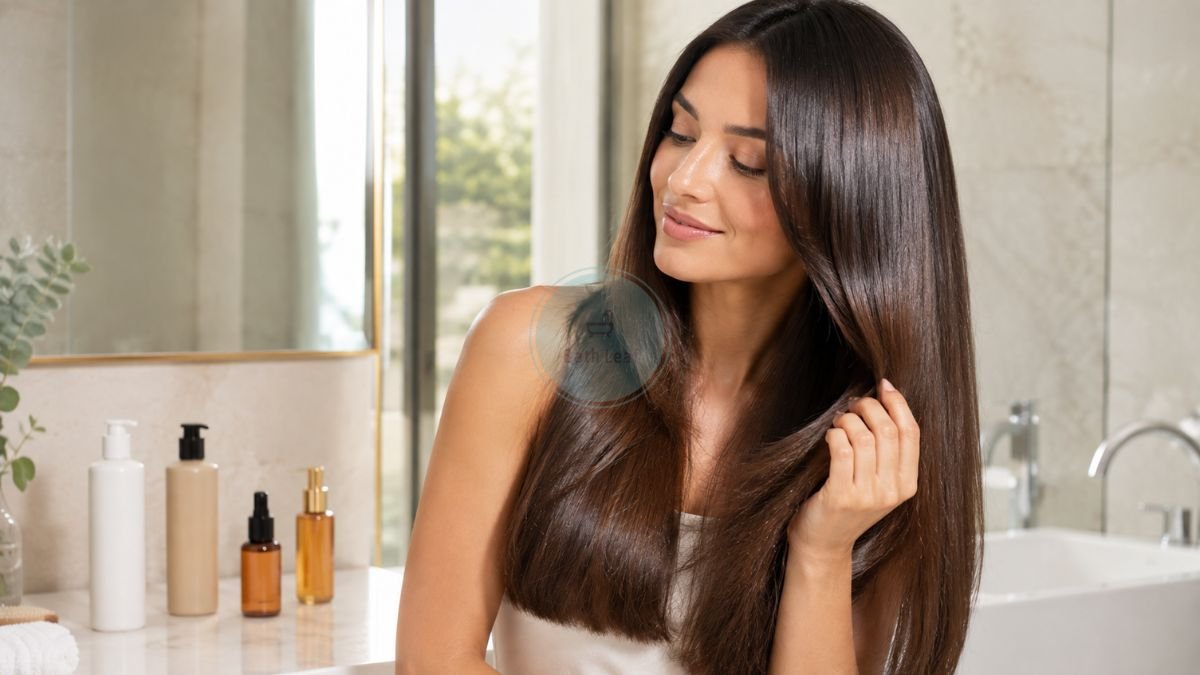
Want that ultra-smooth, mirror-like finish that makes hair look almost reflective? A good glass hair care routine can help you get closer to that polished look without relying on heavy styling products or constant heat. Glass hair is essentially a sleek, glossy finish where the hair looks smooth, soft, and highly reflective. The trend has been especially popular again in 2026, but the idea behind it is simple: healthier-looking, smoother strands tend to reflect light more evenly.
The trick is not to chase shine alone. Instead, focus on hydration, gentle handling, reduced damage, and keeping the hair surface as smooth as possible. With the right habits, you can make your hair look shinier while also taking better care of it.
What Is Glass Hair, Exactly?
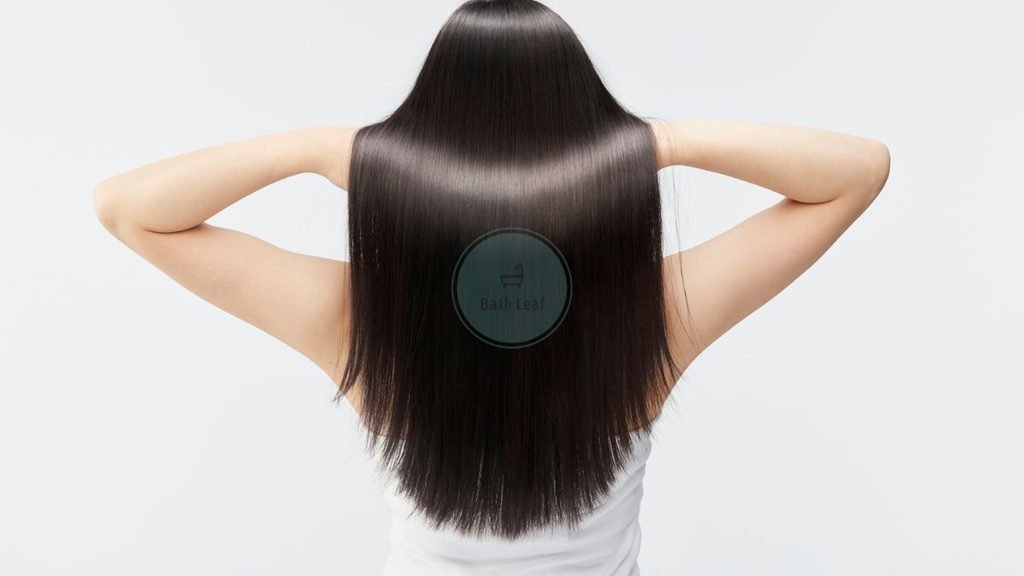
Glass hair describes hair with a sleek, exceptionally glossy, almost mirror-like appearance. It is usually associated with smooth lengths, minimal frizz, soft texture, and a strong reflection of light.
However, you do not need perfectly straight hair to enjoy the effect. The goal is really about smoothness and shine, rather than changing your natural hair texture.
Hair’s appearance is influenced by the condition of its outer surface. When strands are smoother, light can reflect more evenly, which helps create that glossy appearance. At the same time, repeated chemical processing, aggressive styling, and other forms of manipulation can contribute to dullness, frizz, and breakage.
That is why the best approach starts with hair care, not just a finishing serum.
How to Build a Glass Hair Care Routine
A glossy finish is much easier to maintain when your everyday routine is doing most of the work. Think of your routine as a process: cleanse without over-stripping, condition well, protect the strands, and style gently.
Start With the Right Shampooing Habit
There is no universal rule that says everyone should wash their hair on the same schedule. The American Academy of Dermatology recommends choosing a routine based on your hair type and how quickly your scalp becomes oily or dirty. For example, someone with a straight, oily scalp may need more frequent washing than someone with dry or tightly textured hair.
Focus shampoo mainly on the scalp rather than aggressively scrubbing the lengths. Your goal is to remove excess oil, sweat, and buildup without leaving the hair feeling stripped.
If your hair feels squeaky, rough, or unusually dry after washing, your routine may be too harsh.
Make Conditioner a Non-Negotiable
Conditioner helps hair feel smoother and easier to detangle, which is important when you’re trying to create a polished finish.
Apply it primarily through the mid-lengths and ends, especially if your roots become oily easily. Let it sit for the recommended time instead of rinsing immediately.
For particularly dry or damaged hair, a hydrating mask once a week can be useful. You do not necessarily need a complicated collection of products. A consistent conditioner and occasional deeper treatment may do more for your hair than layering several shine products.
Hair Cuticle Care Matters More Than You Think
If your goal is natural-looking shine, pay attention to hair cuticle care.
The cuticle is the hair’s outer protective layer. When the surface is smoother, the strands can appear more polished and reflective. On the other hand, frequent heat styling, chemical treatments, rough brushing, and other physical stress can make hair look rougher over time.
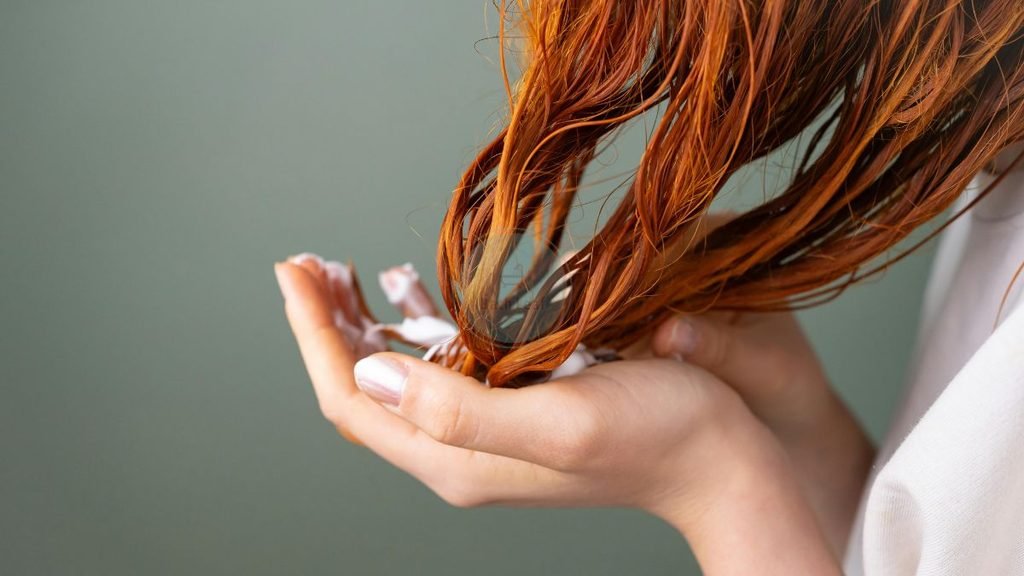
One of the easiest changes is to be gentler with wet hair. Avoid aggressively rubbing it with a towel. Instead, gently squeeze out excess water and use a soft towel or T-shirt to reduce unnecessary friction.
Detangle carefully, starting near the ends and gradually working upward. This is especially helpful for long hair that tangles easily.
Small changes like these may seem insignificant, but they can make your overall routine much kinder to your strands.
Keep Your Hair Hydrated for a Softer, Shinier Finish
Dry hair tends to look dull because rough, dehydrated strands do not give you the same sleek visual finish as well-conditioned hair.
That does not mean you need to coat your hair in oil. In fact, using too much of any rich product can leave fine hair looking flat or greasy.
Instead, choose lightweight conditioning products that match your hair type. Leave-in conditioners can be helpful for dry lengths, while a small amount of hair oil or serum can be used on the ends when additional smoothness is needed.
The important part is moderation. You want your hair to feel soft and flexible, not coated.
Protect Your Hair From Heat
A flat iron can create an instant glass-like finish, but repeatedly chasing that finish with high heat can work against your long-term hair goals.
Heat styling can contribute to dryness and damage, so always use a heat protectant before using a blow dryer, flat iron, or curling tool. Beauty professionals commonly recommend using heat protection consistently and applying it through the lengths and ends that are exposed to the most styling stress.
You can also reduce the temperature and avoid repeatedly passing a hot tool over the same section.
For an especially sleek look, allow your hair to dry most of the way before using a blow dryer to finish it. This can reduce the amount of time your strands spend under direct heat.
Use Shine Products as the Finishing Step
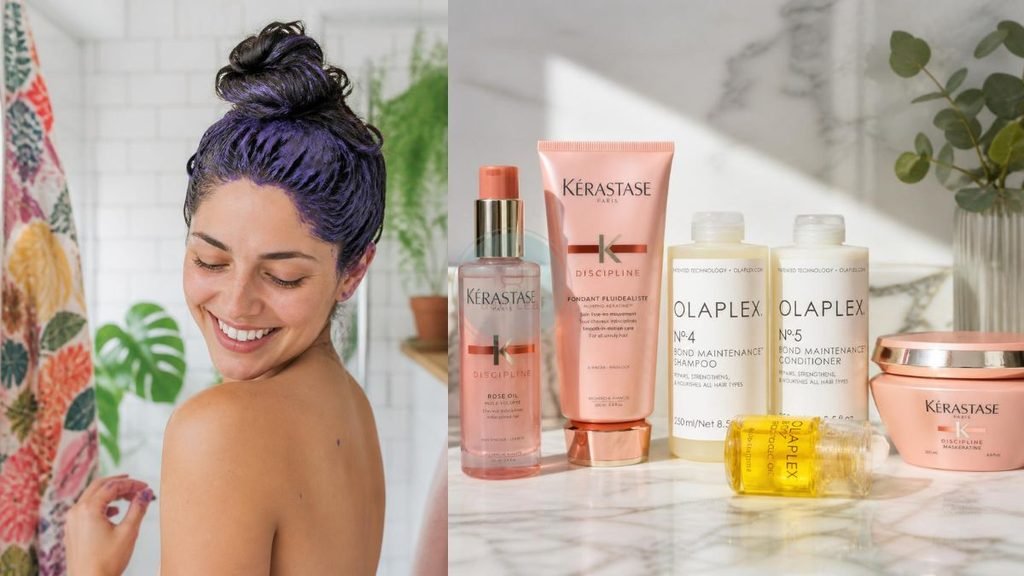
Once your hair is clean, conditioned, and protected, a small amount of shine serum can enhance the finished look.
The best products depend on your hair type. Fine hair usually benefits from lightweight sprays or serums, while thick or coarse hair may tolerate richer creams or oils.
Avoid applying large amounts directly to the roots unless the product is specifically designed for the scalp. Concentrate shine products on the lengths and ends instead.
Hair gloss treatments are another option. Current hair-care guidance around the glass hair trend notes that gloss products can enhance shine and softness while helping create a smoother-looking finish.
Still, a gloss should be viewed as a finishing treatment-not a replacement for healthy hair habits.
How to Get Glass Hair Without Overusing Heat
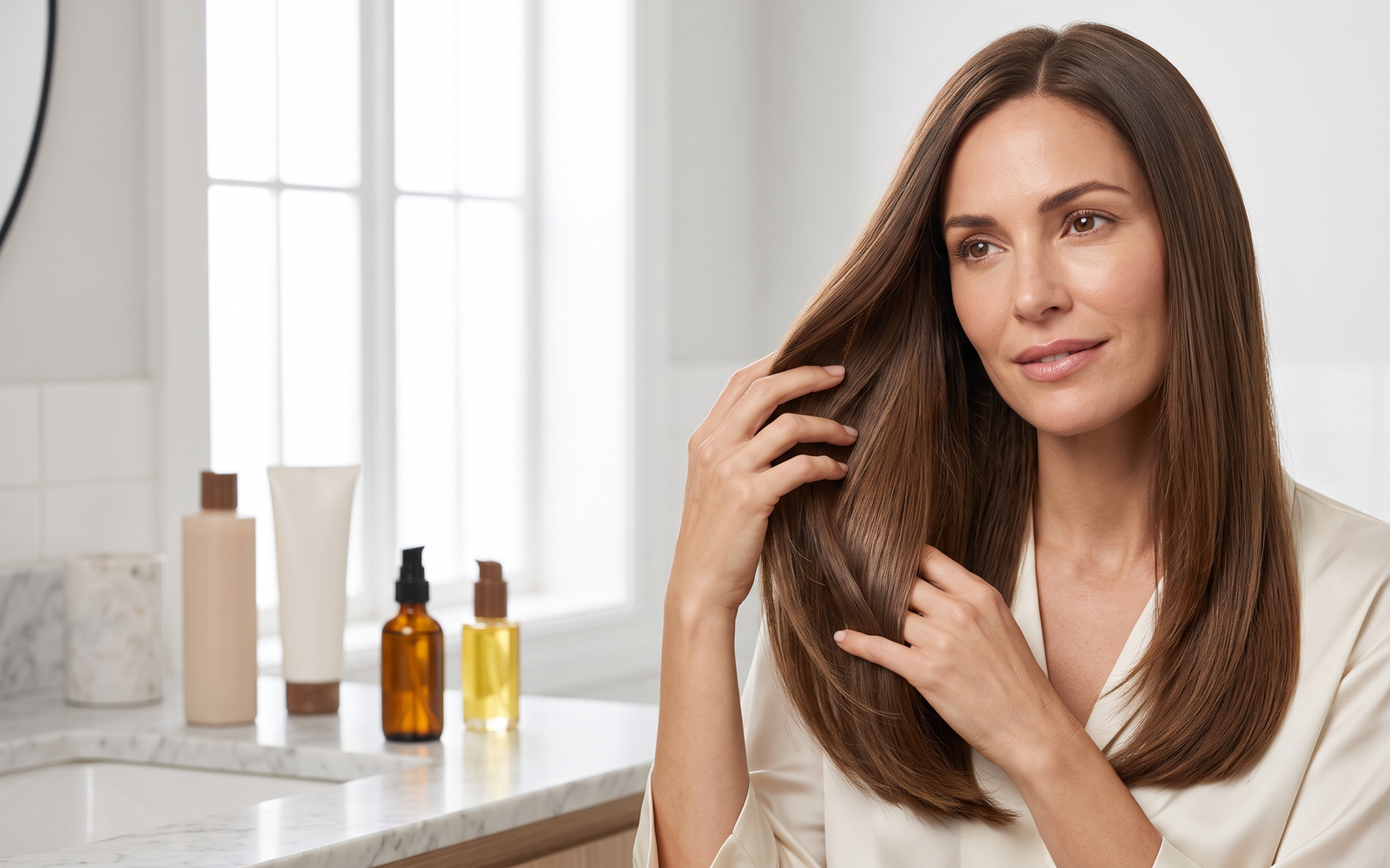
You can create a smoother, shinier appearance without making hot tools the centerpiece of your routine.
Start with well-conditioned hair and gently blot away excess water. Apply a lightweight leave-in product if your hair needs extra moisture, then let it air-dry as much as possible.
Once the hair is nearly dry, you can use a blow dryer on a lower setting to smooth the lengths if desired. Keep the airflow controlled rather than constantly blasting the hair in different directions.
For naturally straight or wavy hair, this approach may be enough to create a sleek finish. Curly and coily hair can also look incredibly glossy, although the final appearance will naturally be different from the ultra-straight version often associated with the glass hair trend.
That distinction matters. Healthy, shiny hair does not have to look pin-straight to be beautiful.
Simple Habits That Help Maintain Natural Hair Shine
Your everyday habits can make a surprisingly noticeable difference.
Avoid brushing aggressively, especially when the hair is wet. Use a gentle detangling technique and choose tools suited to your hair type.
Pay attention to split or severely damaged ends, too. A haircut cannot change the condition of the hair growing from your scalp, but trimming damaged ends can improve the overall appearance and make the lengths look neater.
It is also worth watching how often you chemically treat or restyle your hair. Repeated alteration of the hair’s natural structure can contribute to loss of luster and breakage, particularly when the hair is already fragile.
In other words, shine is easier to maintain when you are not constantly creating new damage that your products then have to disguise.
Glass Hair Care Routine for Different Hair Types
The same routine does not work equally well for every woman.
Fine hair: Choose lightweight conditioners, sprays, and serums. Too much oil can quickly make fine strands look greasy or flat.
Thick or coarse hair: Richer conditioners, smoothing creams, and a small amount of hair oil may help control dryness and frizz.
Curly or coily hair: Focus on moisture, gentle detangling, and minimizing friction. Your version of glass-like shine may be more defined and dimensional rather than completely straight.
Color-treated hair: Prioritize gentle cleansing, conditioning, and heat protection. Color-treated hair can benefit from routines designed to maintain softness and shine.
The American Academy of Dermatology also recommends selecting hair-care products based on your specific hair type rather than assuming one routine works for everyone.
Common Glass Hair Mistakes to Avoid
One of the biggest mistakes is piling on products in an attempt to force more shine. More serum does not automatically mean more gloss.
Another mistake is using excessive heat because the hair looks smoother immediately afterward. A temporary sleek finish is not worth continually stressing the strands.
You should also avoid treating every viral DIY hair treatment as proven science. For example, recent dermatology commentary has noted that popular home remedies such as rice water do not have strong evidence for promoting hair growth, and they may not be appropriate for every hair type.
Keep your routine simple, consistent, and suited to your own hair.
Frequently Asked Questions
Can I get glass hair naturally?
Yes. You can improve your hair’s smoothness and shine with consistent conditioning, gentle handling, heat protection, and products suited to your hair type. Your natural texture will still influence the final result.
How often should I use a hair mask?
For many people, once a week is a reasonable starting point, especially for dry or damaged hair. However, fine or easily weighed-down hair may need less frequent deep conditioning.
Does hair oil make hair shinier?
A small amount of hair oil can add surface shine and make the lengths appear smoother. Use it sparingly, particularly if you have fine hair.
Is glass hair bad for your hair?
The glossy appearance itself is not harmful. The potential problem comes from the methods used to create it, particularly excessive heat or aggressive chemical processing. A gentler routine is better for maintaining healthy-looking hair.
Can curly hair have glass-like shine?
Absolutely. Curly and coily hair can be glossy and healthy without becoming straight. The goal should be smooth, well-conditioned, reflective hair that works with your natural texture.
Conclusion
A beautiful glass hair care routine does not have to involve endless styling, heavy products, or salon appointments. Start with the basics: cleanse according to your scalp’s needs, condition consistently, protect your strands from heat, handle wet hair gently, and use shine-enhancing products sparingly. Most importantly, remember that glossy hair starts with good hair care rather than simply covering dryness or damage with serum. Once your routine supports smoother, healthier-looking strands, that mirror-like finish becomes much easier to achieve-and maintain naturally.