
Best tanning method for skin type: Achieving a seamless, bronzed complexion should never result in premature photoaging, orange streaks, or a severely inflamed skin barrier. Whether you are aiming for a subtle, sun-kissed baseline or a deep, vacation-ready glow, selecting the right formulation based on your unique melanin levels and epidermal health is non-negotiable.
Navigating the active ingredients in bronzing products requires an understanding of how your body biologically reacts to ultraviolet light versus chemical colorants. By identifying the best tanning method for your skin type, you can bypass the irritation and secure long-lasting, even color.
What You’ll Learn:
- How the Fitzpatrick skin typing scale dictates your safest bronzing approach.
- The fundamental differences between traditional UV oils, hydrating lotions, and sunless mousses.
- How to choose the best tanning method for your skin type without risking barrier damage.
- Expert application techniques to prevent patchiness, streaking, and uneven fading.
- The science behind Dihydroxyacetone (DHA) and how it interacts with your stratum corneum.
Quick Recommendation Bar: Match Your Formula to Your Skin
Before purchasing a product, you must align the formulation with your skin’s inherent characteristics. Here is a rapid breakdown of the most effective product categories based on dermatological needs:
| Category | Recommended Pick | Key Advantage | Ideal Skin/Hair Type |
| Sunless Tanning | DHA-Based Tinted Mousse | Zero UV exposure; immediate visible color guide | Fitzpatrick Types I-II (Fair skin, burns easily) |
| Gradual Bronzing | Hyaluronic Acid Tanning Lotion | Hydrates the stratum corneum while building subtle color | Dry, Sensitive, or Mature Skin |
| UV Enhancement | SPF-Infused Dry Tanning Oil | Conditions the skin while offering basal UV protection | Fitzpatrick Types IV-VI (Olive/Deep tones) |
Read Also: Ultimate Guide to Tanning Oils and Lotions 2026 – Benefits, Risks
The Science of Formulations
Understanding how a product interacts with your cellular structure is the key to flawless application. The best tanning method for your skin type depends entirely on whether you require heavy hydration, rapid color payoff, or melanin support.
DHA-Based Sunless Tanning Mousses
- Category: Rapid Sunless Tanner
- Why It Works: Sunless tanners rely on Dihydroxyacetone (DHA), a simple carbohydrate that reacts with the amino acids in the topmost layer of your skin (the stratum corneum). This non-toxic chemical reaction, known as the Maillard reaction, temporarily darkens the dead skin cells without requiring a single minute of UV exposure. Mousses specifically formulate this active ingredient in a fast-drying, aerated base that prevents the product from pooling in pores.
- Expert Insight: “For fair skin types lacking sufficient melanin to tan safely under UV light, high-quality DHA mousses offer a completely risk-free alternative to sun exposure, eliminating the threat of cellular DNA damage while providing an immediate cosmetic tint.”
Gradual Tanning Body Lotions
- Category: Daily Hydrating Bronzer
- Why It Works: Gradual lotions utilize a micro-dose of DHA (usually between 2% and 4%) suspended in a heavy emollient base featuring ingredients like shea butter, ceramides, or squalane. Because dry skin exacerbates transepidermal water loss (TEWL) and causes self-tanner to cling to dry patches unevenly, a lotion format hydrates the skin barrier simultaneously. This ensures the color develops uniformly and fades evenly as the skin naturally sheds.
- Expert Insight: “Gradual tanning lotions are the gold standard for mature or chronically dry skin, as they prioritize barrier repair and moisture retention, which subsequently allows the mild DHA to process flawlessly without adhering to dehydrated, flaking skin cells.”
SPF-Infused Tanning Oils
- Category: UV-Accelerating Sun Suncare
- Why It Works: Traditional tanning oils attract and focus UV rays onto the skin to accelerate melanogenesis-the process where your body produces melanin to defend against sun damage. Modern, skin-safe variations formulate these oils with broad-spectrum SPF 30 or higher and antioxidant-rich botanicals (like argan or jojoba oil). This provides a protective barrier against harmful UVA/UVB rays while still allowing high-melanin skin types to achieve a natural, conditioned glow.
- Expert Insight: “While dermatologists universally advise against intentional UV tanning, if a patient with a naturally high Fitzpatrick type chooses to tan outdoors, utilizing a dry oil formulated with broad-spectrum SPF and lipid-rich antioxidants is critical to preventing severe erythema and photoaging.”
Common Mistakes to Avoid When Bronzing Your Skin
Even the most expensive formulations will yield patchy, unnatural results if your skin preparation and aftercare are flawed. Avoid these frequent errors to maintain a flawless finish and a healthy skin barrier.
- Applying DHA to a Compromised Barrier: DHA specifically adheres to the proteins in dead, dry skin cells. If you apply a sunless tanner over eczema patches, healing blemishes, or severely dehydrated areas, the active ingredient will over-process, resulting in dark, orange spots. Always ensure your skin barrier is deeply hydrated and fully intact before utilizing sunless tanning products.
- Skipping the Chemical Exfoliation Phase: Physical scrubs can create micro-tears in the skin, leaving an uneven texture that DHA will cling to. Instead, use a gentle Alpha Hydroxy Acid (AHA) body wash 24 hours prior to application to gently dissolve the desmosomes holding dead skin cells together, ensuring a perfectly smooth canvas for your chosen tanning method.
- Using High-pH Body Washes Post-Application: Alkaline cleansers, particularly those heavy in sodium lauryl sulfate (SLS), rapidly strip the skin’s acid mantle and accelerate cellular turnover. Washing your body with these harsh surfactants will cause your sunless tan to fade prematurely and crack, resembling a reptilian pattern. Switch to a low-pH, oil-based body cleanser to extend the life of your color.
Frequently Asked Questions About Tanning Methods
Can I use a self-tanner on active body acne or eczema?
It is highly recommended to avoid applying DHA-based self-tanners directly over active eczema, psoriasis, or open acne lesions. The chemical reaction can further inflame compromised tissue, and the product will inevitably grab onto the dry, flaking skin, causing extreme hyperpigmentation in those specific areas.
How long does a DHA sunless tan actually last?
Because DHA only affects the outermost layer of the epidermis (the stratum corneum), the color will fade in tandem with your natural skin cycle. With proper daily hydration and gentle cleansing, a high-quality mousse application typically lasts between seven to ten days before requiring full exfoliation and reapplication.
Do tanning lotions and oils protect against UV rays?
Standard tanning oils and gradual lotions do not offer any protection against ultraviolet radiation unless explicitly labeled with a Broad-Spectrum SPF rating. Applying a DHA self-tanner or a basic bronzing oil provides zero defense against sunburn or photoaging, making separate sunscreen application mandatory.
Conclusion and Your Flawless Bronzing Action Checklist
Selecting the best tanning method for your skin type requires an honest assessment of your skin’s baseline hydration levels and natural melanin production. By matching the right chemical formulations to your specific Fitzpatrick type and prioritizing skin barrier health, you can achieve a radiant, long-lasting glow safely.
Step-by-Step Action Checklist:
- Determine your Fitzpatrick skin type to decide if you require a sunless DHA option (Types I-III) or if your skin can tolerate minimal UV exposure with SPF protection (Types IV-VI).
- Exfoliate your entire body 24 hours prior to tanning using a gentle AHA body wash to remove excess dead skin cells without causing micro-tears.
- Apply a heavy, ceramide-rich moisturizer exclusively to your knees, elbows, ankles, and knuckles to prevent the DHA from over-developing on highly textured joints.
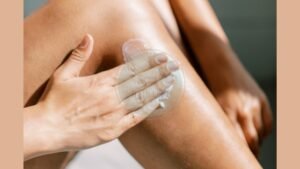
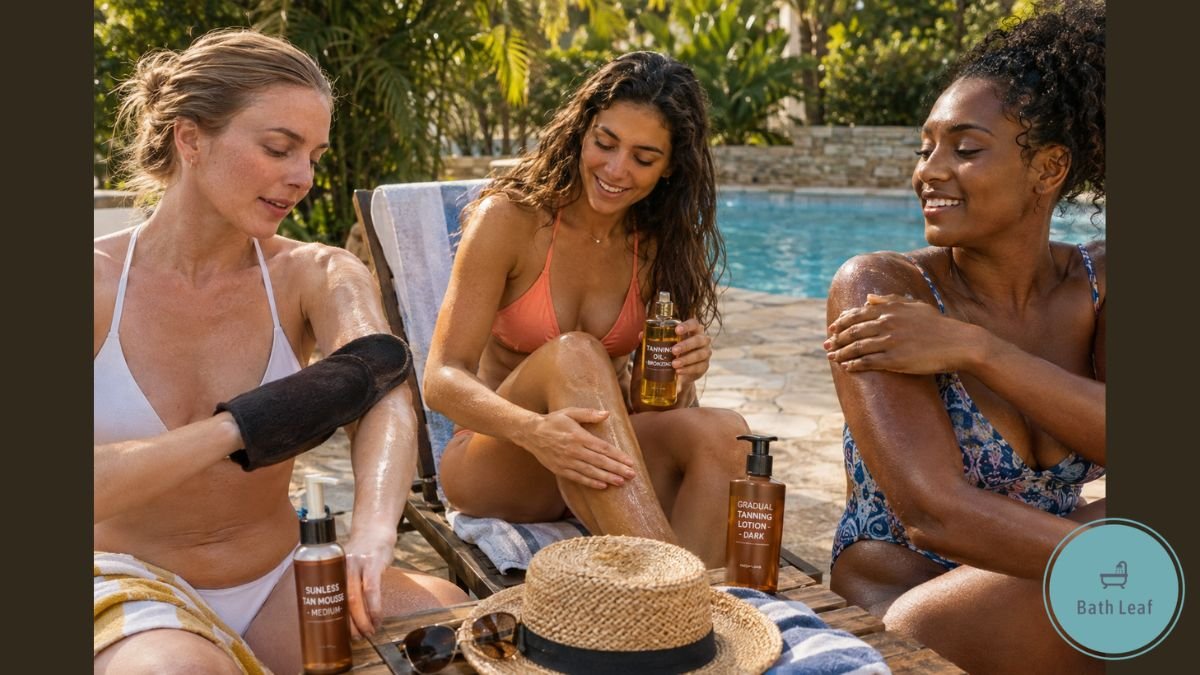
- Dispense your chosen mousse or lotion onto a velvet applicator mitt, working in long, upward sweeping motions to ensure overlapping coverage and zero streaks.
- Maintain your results by applying a daily hyaluronic acid body lotion to prevent transepidermal water loss and ensure the color fades naturally.