

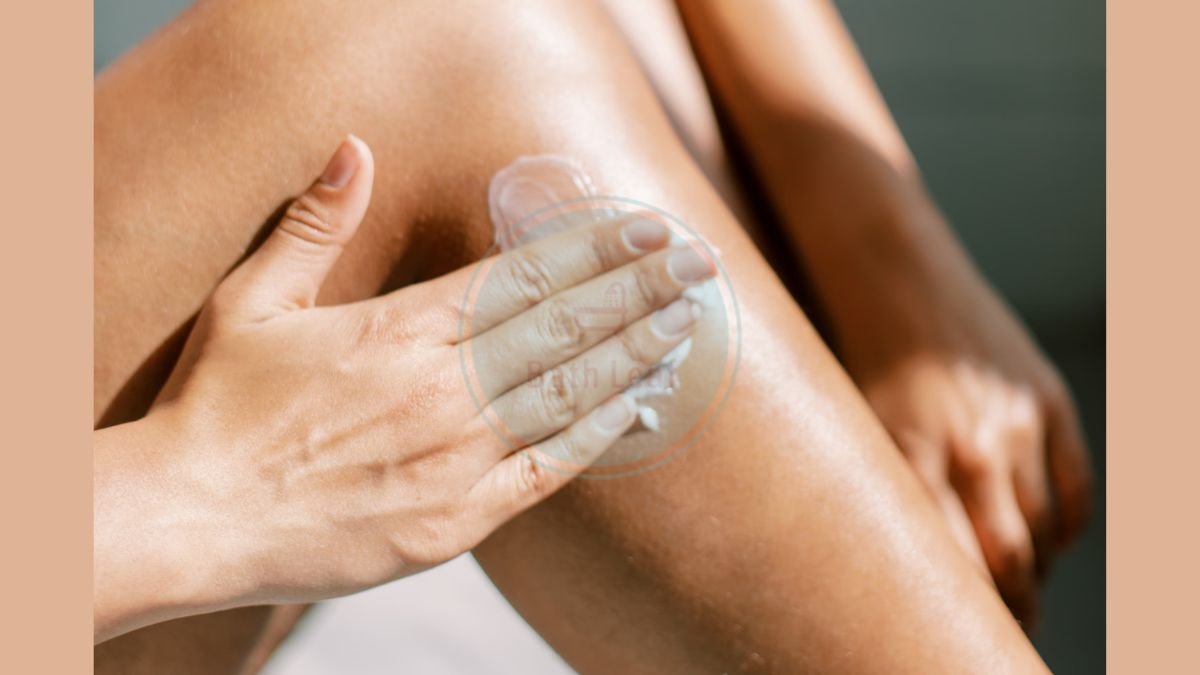
If you’re looking to build a radiant, sun-kissed glow, understanding the difference between tanning oils and tanning lotions is essential. This comprehensive guide is designed to learn how these products work, how to choose the right one for your skin type, how to tan safely, and how to avoid common mistakes.
What Are Tanning Oils?
Tanning oils are oil-based formulations designed to intensify UV exposure and accelerate the tanning process. They typically contain botanical oils and sometimes tanning accelerators that stimulate melanin production.
How Tanning Oil Works
When UV rays hit your skin, your body produces melanin as a defense mechanism. Tanning oils:
- Increase skin hydration (reducing light reflection)
- Help UV rays penetrate more efficiently
- Stimulate melanin activity
- Create a glossy, sun-reflective appearance
The result: a deeper, darker tan in less time.
However, traditional tanning oils often contain little to no SPF increasing sunburn risk if misused.
What Are Tanning Lotions?
Tanning lotions are emulsified blends of oil and water that provide hydration, smoother application, and more controlled tanning results.
There are three primary types:
- Outdoor tanning lotions (used under the sun)
- Indoor tanning lotions (used in tanning beds)
- Sunless/self-tanning lotions (contain DHA for UV-free glow)
How Tanning Lotion Works
Outdoor tanning lotions:
- Support melanin production
- Often include SPF 15–50
- Improve hydration for even color
Sunless tanning lotions:
- Contain DHA (dihydroxyacetone)
- React with amino acids in dead skin cells
- Create temporary bronzed appearance without UV exposure
Lotions are generally safer and more versatile than oils.
Tanning Oil vs Tanning Lotion: Complete Comparison
| Feature | Tanning Oil | Tanning Lotion |
|---|---|---|
| Texture | Slick, glossy | Creamy, smooth |
| Absorption | Slower | Faster |
| Tanning Speed | Fast | Gradual to moderate |
| SPF Options | Limited | Wide range |
| Hydration | Moderate | High |
| Risk Level | Higher UV exposure | Safer options available |
| Best For | Experienced tanners | Beginners & sensitive skin |
Which One Should You Choose?
- Want fast, intense bronze? → Tanning oil (with SPF recommended)
- Want controlled glow + skin care? → Tanning lotion
- Want zero UV damage? → Self-tanning lotion
Benefits of Tanning Oils
- Faster results
- Deep, rich tan
- Natural glow finish
- Often contains nourishing plant oils
- Enhances beach aesthetics
Benefits of Tanning Lotions
- Even application
- Reduced patchiness
- SPF protection options
- Better for dry/sensitive skin
- Sunless alternatives available
Are Tanning Oils & Lotions Safe?
This depends on how they are used.
Excessive UV exposure increases:
- Sunburn risk
- Premature aging
- Hyperpigmentation
- Long-term skin damage
Safe Tanning Guidelines
✔ Always use SPF 15+ minimum
✔ Avoid peak sun hours (10 AM–4 PM)
✔ Reapply every 2 hours
✔ Hydrate before and after sun exposure
✔ Never tan if you burn easily
For maximum safety, consider sunless tanning lotions.
Best Tanning Product by Skin Type
Fair Skin (Burns Easily)
- Avoid pure tanning oils
- Choose SPF 30–50 lotion
- Consider gradual self-tanner
Medium Skin
- SPF 15–30 lotion
- Light tanning oil with SPF
Olive / Tan Skin
- Tanning oil works well
- SPF 15 minimum still recommended
Dry Skin
- Look for:
- Shea butter
- Aloe vera
- Hyaluronic acid
- Vitamin E
Sensitive Skin
- Fragrance-free lotion
- Avoid mineral oil
- Patch test first
Ingredients That Actually Work
Effective Ingredients
- Aloe Vera – Soothes sun-exposed skin
- Vitamin E – Antioxidant protection
- Tyrosine – Melanin booster
- Jojoba Oil – Balances hydration
- Coconut Oil – Smooth texture enhancer
- DHA (for sunless tanning) – UV-free bronzing agent
Ingredients to Be Cautious About
- Artificial fragrance
- Alcohol-heavy formulas
- Zero-SPF oils in high UV climates
How to Apply Tanning Oil or Lotion Correctly
- Exfoliate 24 hours prior
- Shave/wax at least 24 hours before
- Apply evenly using circular motions
- Avoid over-application on knees, elbows, ankles
- Reapply every 2 hours outdoors
- Moisturize after sun exposure
Pro Tip
Layer SPF sunscreen first, then apply tanning oil over it for a safer glow.
Common Tanning Mistakes to Avoid
❌ Using oil without SPF
❌ Skipping exfoliation
❌ Overexposing skin on first session
❌ Forgetting to hydrate
❌ Ignoring UV index
Gradual tanning produces better long-term results.
Seasonal Tanning Strategy
Summer
- SPF 30 lotion daily
- Oil only for short exposure
- Focus on hydration
Beach Vacation
- Sunscreen base layer
- Tanning oil for short glow sessions
- After-sun moisturizer nightly
Winter
- Switch to sunless tanning lotion
- Weekly exfoliation
- Moisturize consistently
Spring Prep
- Begin gradual lotion use
- Build base color slowly
Best Tanning Oils (Buying Guide Criteria)
When reviewing products for Bathleaf, prioritize:
- SPF level
- Ingredient transparency
- Skin type suitability
- Water resistance
- User reviews
- Absorption speed
- No white cast
- Non-comedogenic formulation
Best Tanning Lotions (Buying Guide Criteria)
Look for:
- Broad spectrum SPF
- Moisturizing complex
- Streak-free formula
- No orange undertones (for self-tanners)
- Dermatologist-tested labeling
- Clean ingredient profile
Tanning Oils & Lotions FAQ
Does tanning oil make you darker faster?
Yes. It enhances UV penetration and melanin stimulation.
Is tanning lotion better than oil?
For most people, yes. It offers safer, more controlled tanning.
Can I use coconut oil for tanning?
It provides minimal SPF (~4–5). Not recommended alone in strong sun.
What SPF should I use for tanning?
Minimum SPF 15. Fair skin should use SPF 30+.
How long should I stay in the sun?
Start with 15–20 minutes depending on skin tone and UV intensity.
Do tanning lotions expire?
Yes. Expired products lose SPF effectiveness and can irritate skin
Final Verdict: Which Is Better in 2026?
There is no universal winner.
- Fast bronze seekers: Tanning oil (with SPF)
- Balanced glow lovers: Tanning lotion
- Skin-health focused users: Self-tanning lotion
The safest long-term approach is gradual tanning with SPF protection.